
Quick Answer
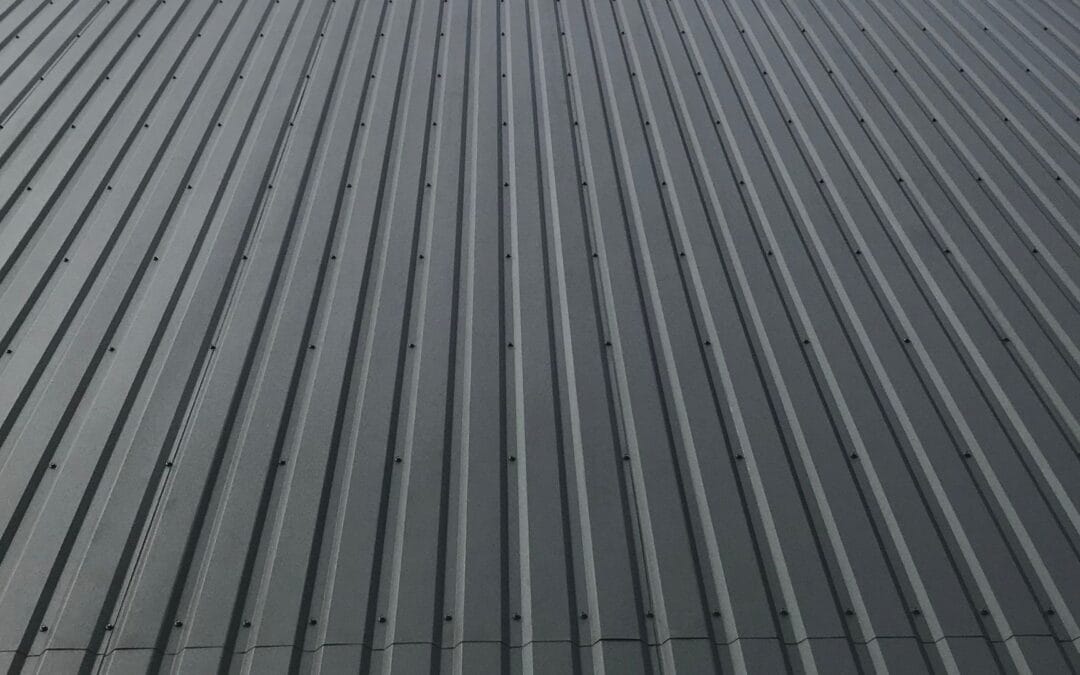
Metal roofing offers a 40-70 year lifespan, strong resistance to wind, snow, and fire, and long-term savings on maintenance and energy costs. The main drawbacks are a higher upfront price (roughly double asphalt shingles), a noisier surface during heavy rain unless properly insulated, and the need for a specialized installer. It’s generally worth it for homeowners planning to stay long-term, but not always the best fit for a short-term hold or a tight renovation budget.
Metal roofing costs more upfront than asphalt shingles, but it can last two to three times as long and holds up better against heavy snow, wind, and hail. Before you decide, here’s an honest look at what metal roofing actually delivers and where it falls short.
Why Metal Roofing Is A Good Option
Metal roofing used to be associated mostly with barns and commercial buildings. That’s changed. Over the last decade, standing seam and metal shingle systems have become a serious option for residential homes, especially in regions like Eastern Ohio, Pittsburgh, and West Virginia, where winters bring heavy snow loads and summer storms bring hail and high wind.
But metal roofing isn’t automatically the right choice for every home. It comes with real trade-offs, and the decision usually comes down to how long you plan to stay in the home, your budget, and how much you value long-term durability over lower upfront cost. Here’s a straightforward breakdown.
The Pros of Metal Roofing
1. Exceptional Lifespan
A properly installed metal roof typically lasts 40 to 70 years, compared to 20-25 years for standard asphalt shingles. For homeowners planning to stay in their home long-term, that can mean never replacing the roof again.
2. Strong Performance in Severe Weather
Metal roofing holds up well against high winds. Many systems are rated for gusts over 140 mph and sheds snow more effectively than asphalt, reducing the risk of ice dams during Eastern Ohio and Pittsburgh winters. Many metal roofing products also carry a Class 4 impact rating, the highest hail-resistance rating available, which matters in a region that sees regular severe summer storms.
3. Fire Resistance
Metal is non-combustible, giving it a Class A fire rating, which is the highest available. This can be a meaningful factor for homeowners near wooded areas or dry brush zones, and some insurance carriers offer premium discounts for metal roofing as a result.
4. Energy Efficiency
Metal roofing reflects solar radiant heat rather than absorbing it, which can reduce cooling costs in summer months. Many metal roofing systems are also compatible with reflective coatings that improve energy performance further.
5. Low Maintenance
Metal doesn’t crack, curl, or lose granules the way asphalt shingles do over time. Beyond periodic inspections and keeping debris out of valleys, metal roofs generally require very little upkeep across their lifespan.
6. Environmentally Friendly
Metal roofing is typically made from a high percentage of recycled material and is itself fully recyclable at the end of its life, unlike asphalt shingles, which make up a significant share of construction landfill waste.
The Cons of Metal Roofing
1. Higher Upfront Cost
Metal roofing typically costs $9-$14 per square foot installed, roughly double the cost of architectural asphalt shingles. For a standard 2,000 sq ft roof, that’s often an $18,000-$28,000 investment versus $11,000-$17,000 for asphalt.
2. Noise During Heavy Rain
Without proper solid decking and insulation underneath, metal roofing can be noticeably louder during heavy rain or hail compared to asphalt. This is manageable with correct installation, but it’s a factor worth discussing with your contractor.
3. Requires a Specialized Installer
Metal roofing installation is a different skill set than asphalt shingle installation. Seams, panel alignment, and thermal expansion all need to be handled correctly, or the roof can develop leaks at the seams over time. Not every roofing contractor is equipped to install metal roofing properly.
4. Denting Potential
While Class 4 impact-rated metal resists hail damage well, very large hail or falling debris can still dent certain metal roofing profiles, particularly lighter-gauge panels. Heavier-gauge steel and standing seam systems handle this better than lower-cost metal shingle products.
5. Expansion and Contraction
Metal expands and contracts with temperature swings, which is normal, but requires installation techniques (like proper fastening systems) that accommodate this movement. Improper installation can lead to panel warping or fastener failure over time.
Is Metal Roofing Worth It For Your Home?
If you’re planning to stay in your home for 15+ years, live in an area prone to severe storms or heavy snow, or want to minimize long-term maintenance and replacement costs, metal roofing is usually a strong investment. If you’re working with a tighter budget or a shorter time horizon, a high-quality architectural asphalt shingle roof remains a solid, more affordable option.
The right answer depends on your specific home, budget, and goals, which is exactly what a proper roofing consultation should help you figure out.
Gator Roofing & Restoration installs both premium asphalt and metal roofing systems across Pittsburgh and Ohio. We’ll walk you through the real cost-benefit trade-off for your specific home with no pressure toward the higher-priced option.
Schedule a free roofing consultation and get a straight comparison for your home.
Frequently Asked Questions
How long does a metal roof last compared to shingles?
A metal roof typically lasts 40 to 70 years, while standard asphalt shingles last 20 to 25 years. Architectural shingles with extended warranties can reach 30 years, but even then, metal roofing generally lasts more than double the lifespan of asphalt.
Is metal roofing more expensive than asphalt shingles?
Yes. Metal roofing typically costs $9-$14 per square foot installed, compared to $5.50-$8.50 for architectural asphalt shingles. However, the longer lifespan and lower maintenance costs often narrow the gap in cost-per-year over the life of the roof.
Does metal roofing make a house louder in the rain?
It can, but this is largely a function of installation. Metal roofing installed over solid decking with proper insulation and underlayment performs similarly to asphalt in terms of interior noise. The “noisy metal roof” reputation mostly comes from older barn-style installations without solid decking underneath.
Does metal roofing help lower energy bills?
es, in most cases. Metal roofing reflects solar heat rather than absorbing it, which can reduce attic and interior temperatures during summer months and lower cooling costs. The energy savings are more noticeable with reflective coatings and proper attic ventilation.
Can metal roofing be installed over existing shingles?
In many cases, and especially where decking condition is uncertain, a full tear-off is recommended to ensure a proper, long-lasting installation.
Get A Free Quote Today
Related Articles
7 Signs You Need a New Roof
A roof rarely fails without warning. Curling shingles, granules in the gutters, sagging rooflines, and recurring leaks are all signals that your home needs a new roof, and not another temporary fix. Here’s how to read those signs before they become a bigger problem, and what a real solution looks like.