
Quick Answer
You likely need a new roof if it’s 20+ years old, shingles are curling or missing granules, you see daylight in the attic, the roofline is sagging, or you’ve had leaks in more than one spot. Any one of these on its own is worth an inspection; two or more usually means full replacement is the right call, not a partial fix.
A roof rarely fails without warning. Curling shingles, granules in the gutters, sagging rooflines, and recurring leaks are all signals that your home needs a new roof, not another temporary fix. Here’s how to read those signs before they become a bigger problem, and what a real solution looks like.
Why Roofs Fail Gradually, Not All at Once
Most homeowners picture roof failure as a single dramatic event, like a storm ripping off shingles, water pouring in, then that’s obviously time for a new roof. In reality, that’s the exception. The far more common pattern is slow, quiet deterioration that shows up in small signals for months or years before anyone notices a leak on the ceiling.
That gap between “first sign” and “visible problem” is exactly where homeowners lose money. Catching a failing roof early means you’re planning a new roof on your own timeline, with time to compare estimates and materials. Catching it late means an emergency, a rushed decision, and often water damage to the structure underneath.
Here are the seven signs that consistently show up before a full roof failure and what each one actually means for your home.
7 Signs You Need a New Roof
1. Your Roof Is 20+ Years Old
Asphalt shingle roofs are engineered for roughly 20-25 years of service. Age alone is a legitimate reason to plan for a new roof, even if nothing looks visibly wrong yet. Materials degrade from the inside out, and the final years of a roof’s life are when failure rates climb sharply.
2. Curling or Buckling Shingles
Shingles that cup at the edges or buckle in the middle have lost the flexibility they need to shed water properly. This typically means the asphalt has dried out with age or heat exposure. Once shingles start curling across multiple sections of the roof, spot fixes won’t hold. Furthermore, the material itself is past its functional life.
3. Granules Piling Up in Gutters
The gritty coating on asphalt shingles protects the material underneath from UV damage. As shingles age, that coating sheds, and you’ll find the granules collecting in gutters and downspouts. Heavy, ongoing granule loss is one of the most reliable early indicators that a new roof is coming up on the horizon.
4. A Sagging Roofline
Any visible dip or sag, especially along the ridge or between rafters, is a structural warning sign, not a cosmetic one. Sagging usually points to trapped moisture, weakened decking, or long-term stress on the framing. This is the one sign on this list that shouldn’t wait for a “convenient” time to address.
5. Daylight Visible in the Attic
Go into the attic during the day and turn off the lights. If sunlight is coming through anywhere in the roof boards, water can get through the exact same way. This is a clear, unambiguous sign the roofing system has failed structurally and needs full replacement.
6. Leaks in More Than One Location
A single leak might be isolated. Leaks that show up in different rooms, or water stains that keep reappearing after every storm, usually mean the underlayment and decking across the whole roof are compromised, not just one section of shingles.
7. Storm Damage Spread Across the Roof
After a major hail or wind event, widespread bruising, missing shingles, or exposed felt paper typically means a new roof is the more cost-effective path and it’s often fully covered by homeowner’s insurance when damage is storm-related.
What This Means for Your Home
If you’re seeing one of these signs, it’s worth a professional look. If you’re seeing two or more, it’s very likely time to start planning for a new roof rather than waiting for a leak to force the decision. Gator Roofing & Restoration specializes exclusively in full roof replacement and storm restoration across Eastern Ohio, the Pittsburgh metro, and West Virginia’s Northern Panhandle. No patch jobs, no mismatched materials, just one properly installed, fully warrantied roofing system.
How A Professional Settles the Problem
The signs above will get you most of the way to an answer, but the decisive step is a professional roof inspection. A qualified roofer will check the decking, flashing, ventilation, and shingle condition. It’s not just the visible surface. A professional will also give you a straight answer on whether a repair will genuinely hold up or whether you’re better off replacing the roof now rather than later.
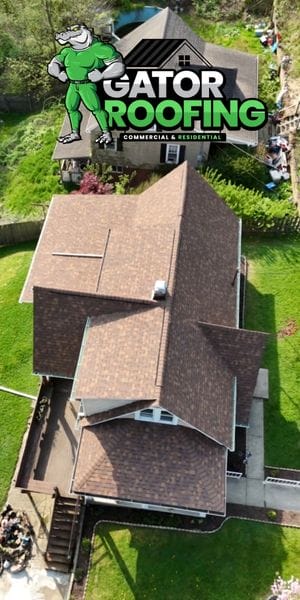
Get A Free Quote Today
Related Articles
Pros and Cons of Metal Roofing
Metal roofing costs more upfront than asphalt shingles, but it can last two to three times as long and holds up better against heavy snow, wind, and hail. Before you decide, here’s an honest look at what metal roofing actually delivers and where it falls short.